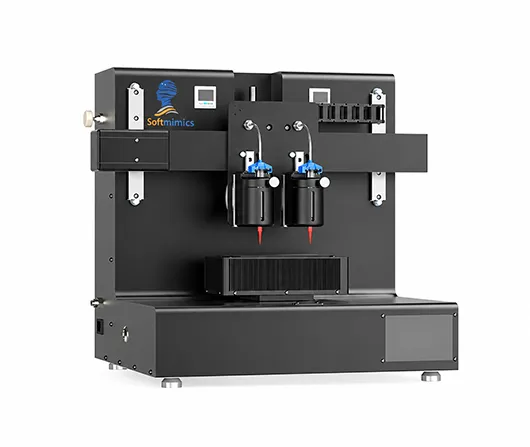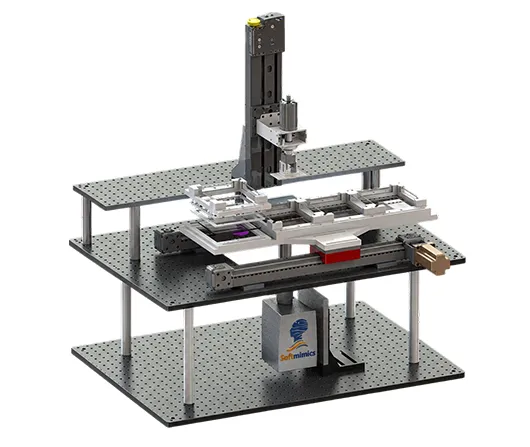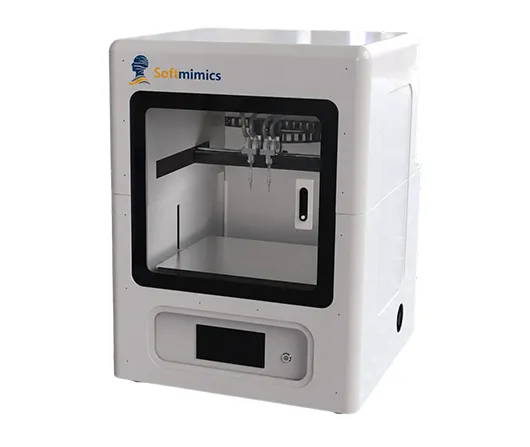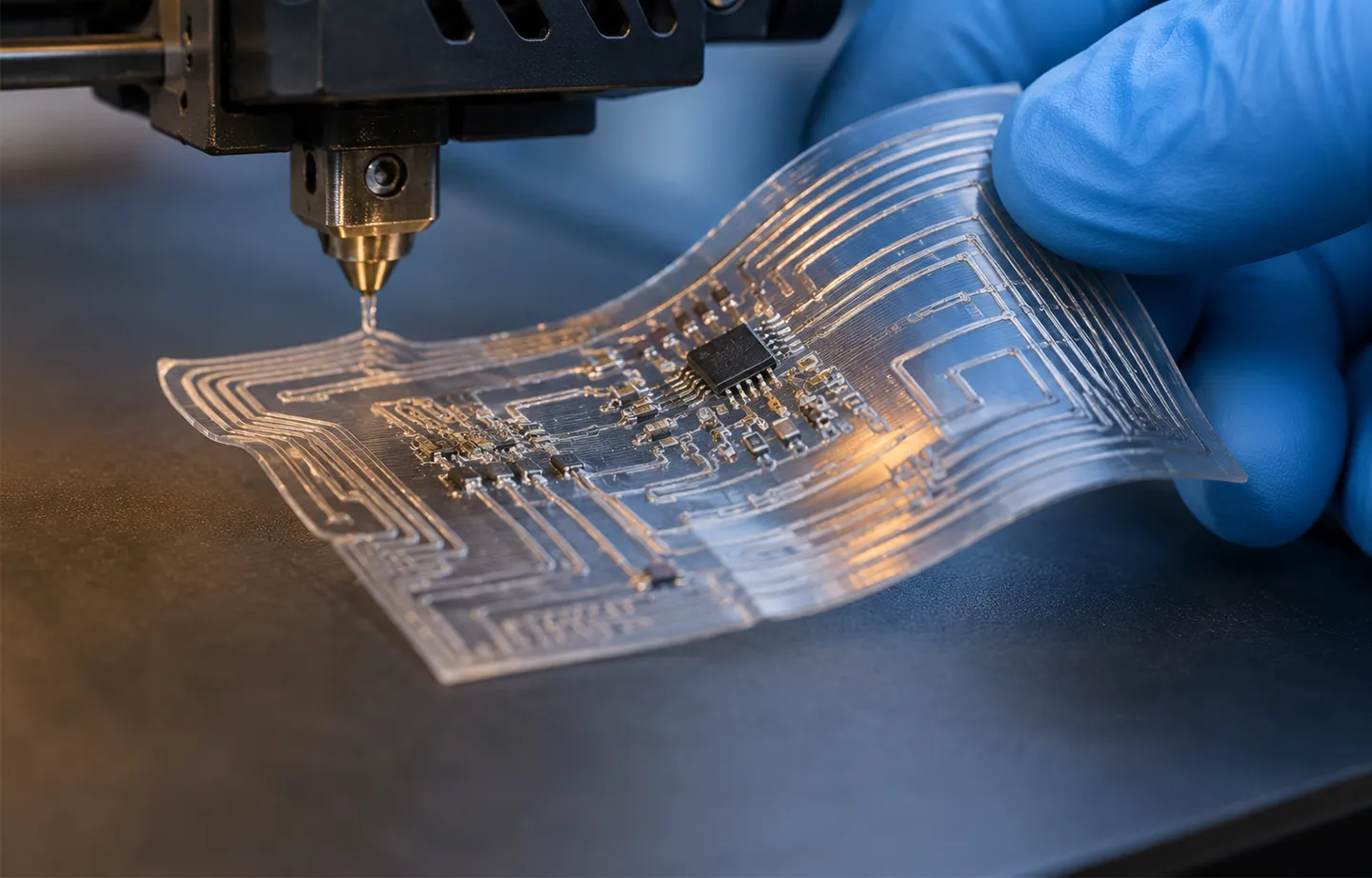

Silicone 3D printing technology enables exceptional levels of biological fidelity, ultimate personalization, and unparalleled freedom in the fabrication of complex structures. Its applications in healthcare and medicine include imaging phantoms and educational simulators, highly realistic anatomical models for surgical rehearsal, and customized rehabilitation aids and wearable devices.
This currently represents the most widely applied field.
Soft Tissue Simulation: Printed models of hearts, blood vessels, livers, or tumors possess an elasticity similar to that of real organs. This allows physicians to practice cutting and suturing techniques prior to surgery.
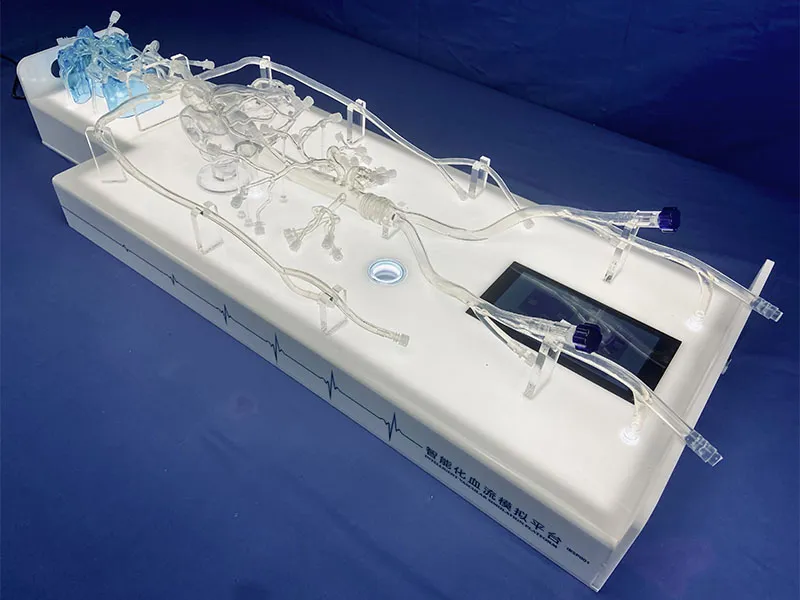
Vascular Intervention Training: 3D-printed transparent silicone vascular models—featuring complex bifurcations and stenoses—are used to simulate procedures such as guidewire insertion and stent placement.
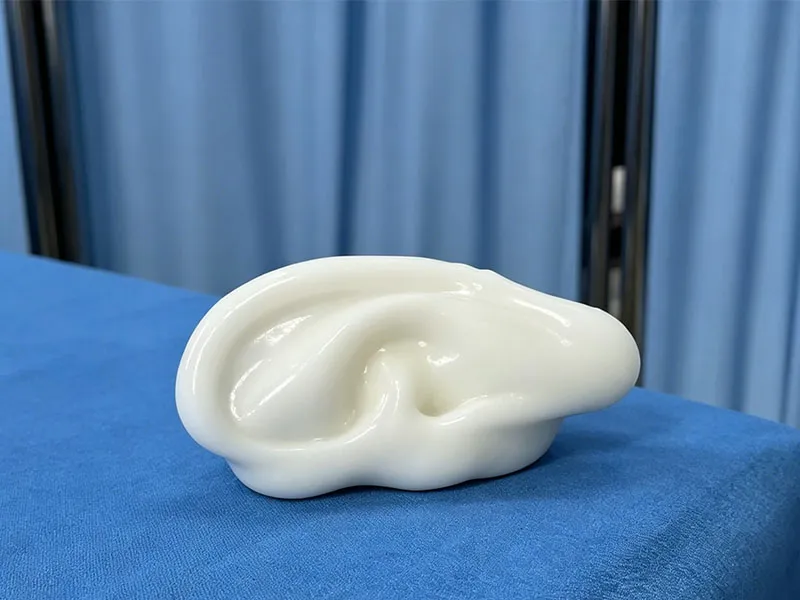
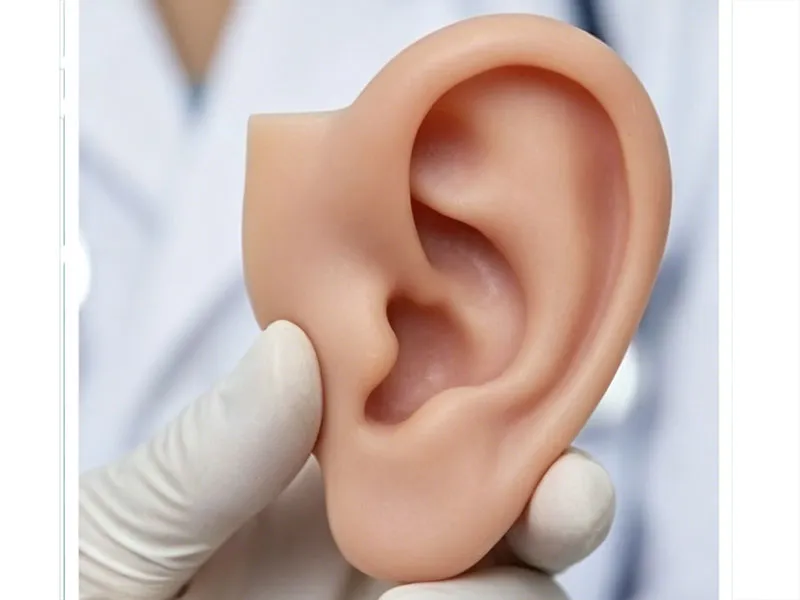
Personalized customization is available for patients suffering from organ or tissue loss—such as an ear, nose, or finger—resulting from trauma or congenital defects.
Precise Matching: By 3D scanning the patient's intact side and mirroring the data, a perfectly symmetrical silicone prosthesis is 3D printed.
Aesthetics and Comfort: The silicone material can be color-matched to the patient's skin tone, while 3D printing technology allows for the creation of tapered edges, ensuring an extremely natural transition with the skin and a comfortable fit.
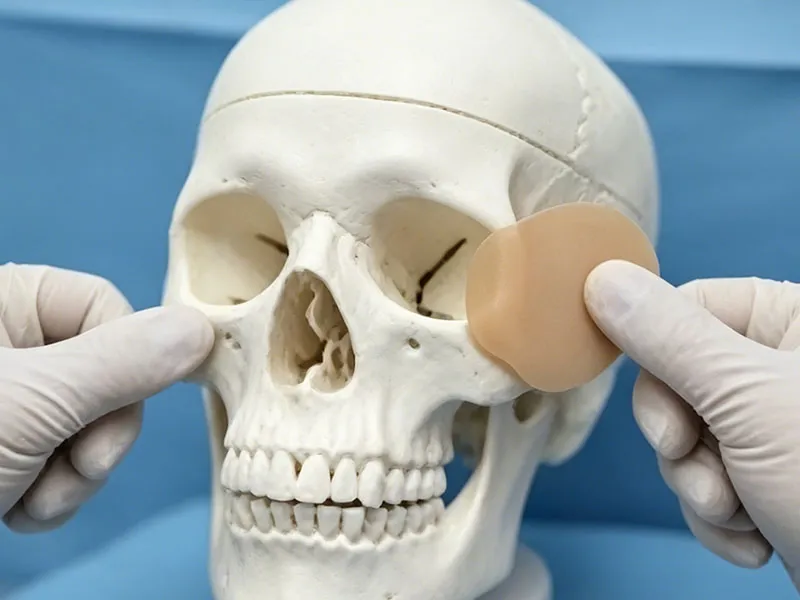
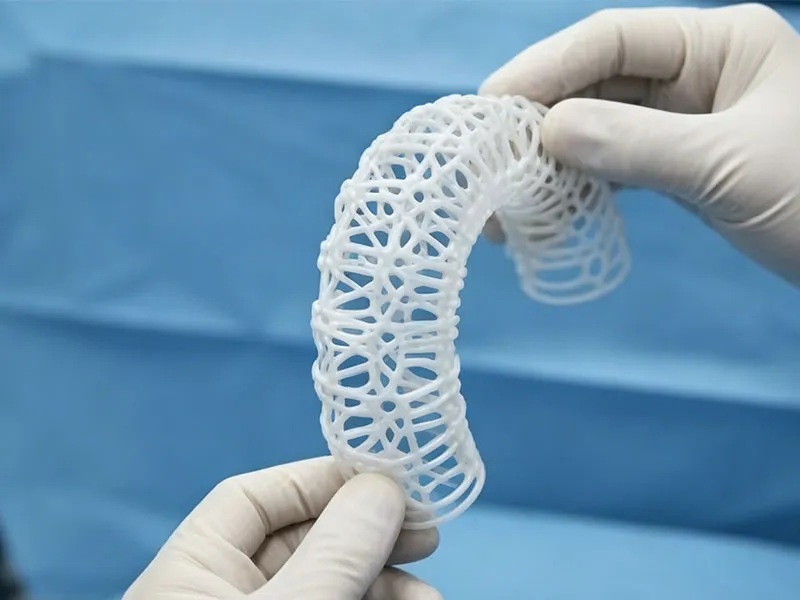
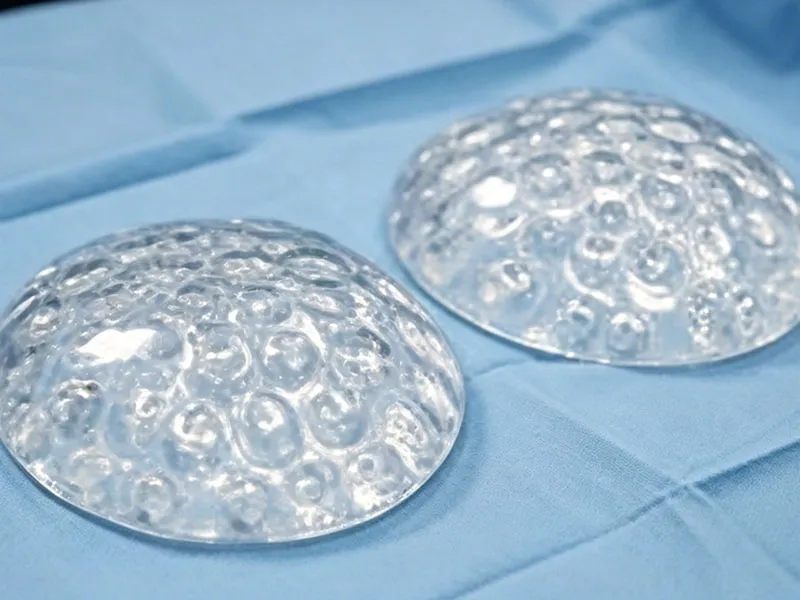
Customized Tracheal Stents:
Currently one of the most successful examples of silicone 3D printing in the field of medical implants.
Reconstructive & Aesthetic Implants:
Subcutaneous Fillers: Used to correct facial depressions resulting from vehicular accidents or tumor resection.
Customized Ear/Nose Prostheses:
Personalized Breast Implants/Expanders.
Cardiac Patches: For instance, patches used in the repair of congenital heart defects.

 Contact
 Quote
Quote  Account
  Cart
Cart 
 English