
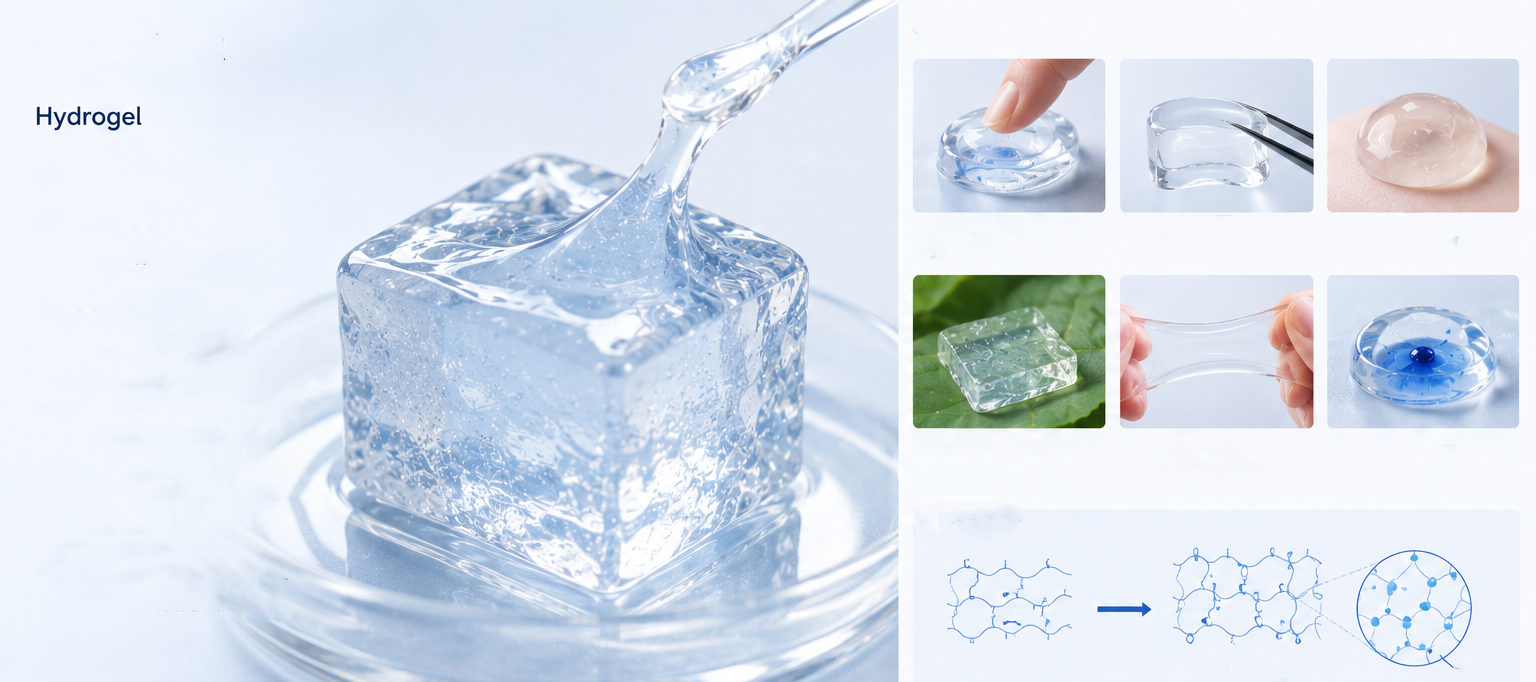
Mechanism: Hydrogels are three-dimensional network structures formed by hydrophilic polymer chains via chemical or physical cross-linking; they can absorb and retain large amounts of water, creating a high-water-content gel system.
Key features: High water content, good biocompatibility, tunable mechanical properties, and the ability to mimic the tactile feel of soft tissue. It can be used for tissue/organ phantoms (e.g., thyroid, liver, heart, brain) and medical training models for ultrasound and CT imaging.
Examples: PVA hydrogels, PAAm double-network hydrogels, sodium alginate hydrogels, etc.

 Contact
 Quote
Quote  Account
  Cart
Cart 
 English