
High-precision material mixing and stable performance
Precise temperature control and rapid curing
Multi-nozzle printing with strong forming capabilities
Staggered nozzle system
Digital color mixing
Integrated printing of multiple hardness levels



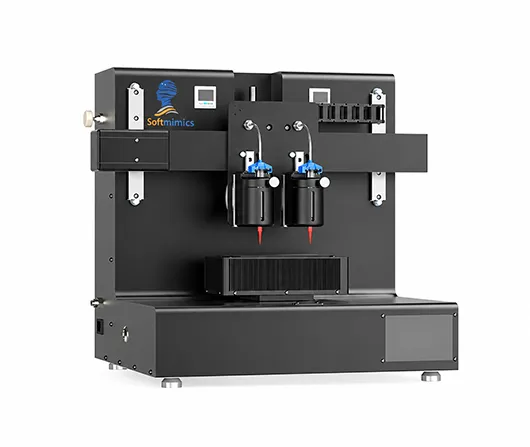
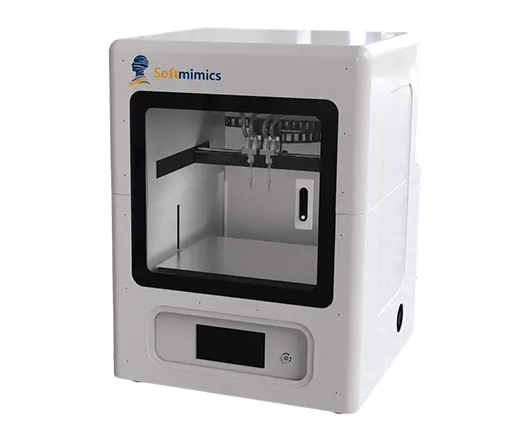
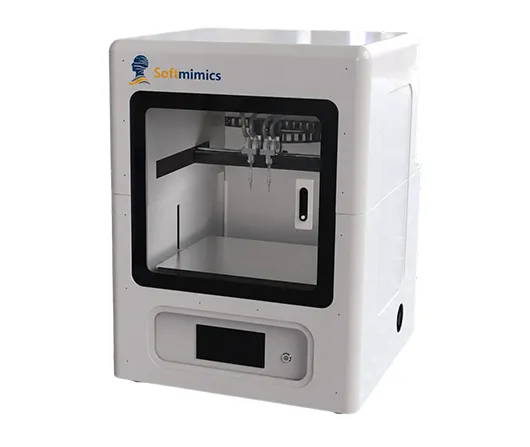
The XMS200 is a dual-nozzle 3D printer designed for use with 100% two-component liquid silicone rubber.
Optimized for the company's proprietary liquid silicone materials, the printer utilizes a high-precision, high-load electric cylinder feeding system to ensure efficient and accurate mixing of the two-component material, thereby guaranteeing stable performance after curing.
The machine employs high-rigidity ball screw modules for its motion system, significantly enhancing structural rigidity and ensuring precision and stability during rapid prototyping. Combined with proprietary water-soluble support materials and a dual-nozzle retraction mechanism, it enables the printing of complex elastic structures to meet diverse user requirements.
1. High-precision mixing and stable performance: Utilizes a high-efficiency mixer and a high-precision pressure control system to ensure the accurate mixing of two-component liquid silicone, resulting in stable and consistent material properties after curing;
2. Precise temperature control and rapid curing: Employs a proprietary pre-nozzle temperature control system to precisely regulate the temperature of the main flow channel within the print head, thereby controlling the silicone's rheological properties and enhancing printing accuracy;
3. Multi-nozzle printing and robust forming capabilities: Compatible with water-soluble support materials to enable the creation of complex silicone structures; supports can be quickly dissolved via water washing after curing without compromising the model's surface quality;
4. Staggered nozzle system: During printing, active and inactive nozzles are vertically offset to prevent inactive nozzles from damaging the already printed structure;
5. Digital color mixing: Applies CMYK color printing principles, using precision metering pumps and control systems to accurately control the ratios of primary-colored silicone components for precise color blending;
6. Integrated multi-hardness printing: Supports multi-channel forming with silicone materials of varying hardness levels, enabling the integrated fabrication of structures featuring combined soft and hard properties;
7. Two-component silicone: A silicone material that cures via a chemical reaction after being mixed in specific proportions; it offers excellent elasticity, resistance to high and low temperatures and aging, as well as insulating and sealing capabilities.
MODEL | XMS200 |
Dimensions | 650*720*880mm |
Forming Dimensions | 300*250*180mm |
XY-axis positioning accuracy | ±0.02mm |
Z-axis positioning accuracy | ±0.02mm |
Layer Thickness | 0.01~0.3mm |
Nozzle Size | 0.4mm、0.25mm、0.21mm |
Number of Nozzles | 2 |
Number of Cartridge | 4 |
Cartridge Capacity | 200cc |
Print Speed | 0~60mm/s |
Material Delivery System | Electric Cylinder |
Nozzle Calibration | Automatic Calibration |
Support Material | Water-soluble |
Software | Simplify 3D |
Data Format | STL |
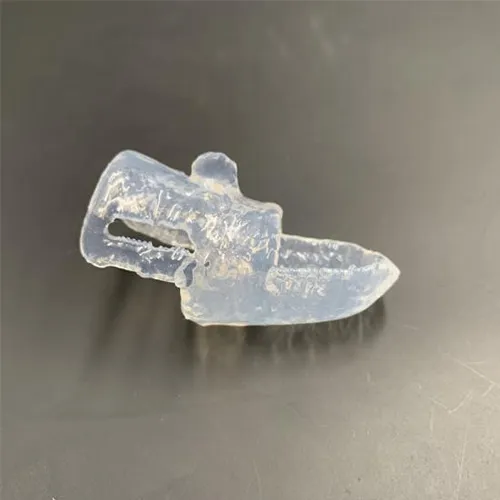
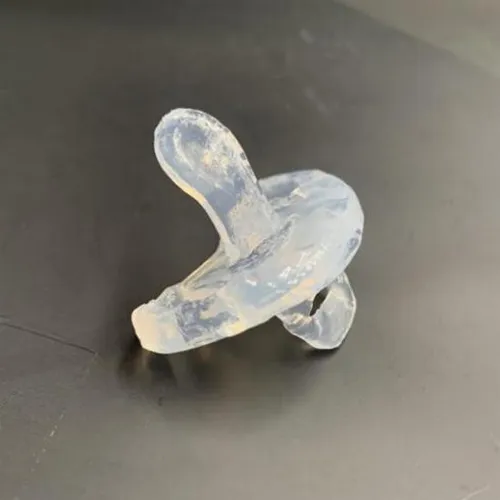
1. Healthcare: Suitable for medical devices requiring elastic components with complex structures, such as custom prosthetics and orthotics;
2. Robotics and Manufacturing: Used to manufacture inflatable components with complex geometries (e.g., soft robotic grippers) and integrated functional actuators;
3. Rapid Prototyping: Leverages the rapid prototyping capabilities of silicone 3D printing to shorten development cycles for small-batch and personalized products;
4. Other Fields: Includes consumer electronics (waterproof seals), sports and outdoor gear (shock-absorbing components), and household goods (flexible silicone products);
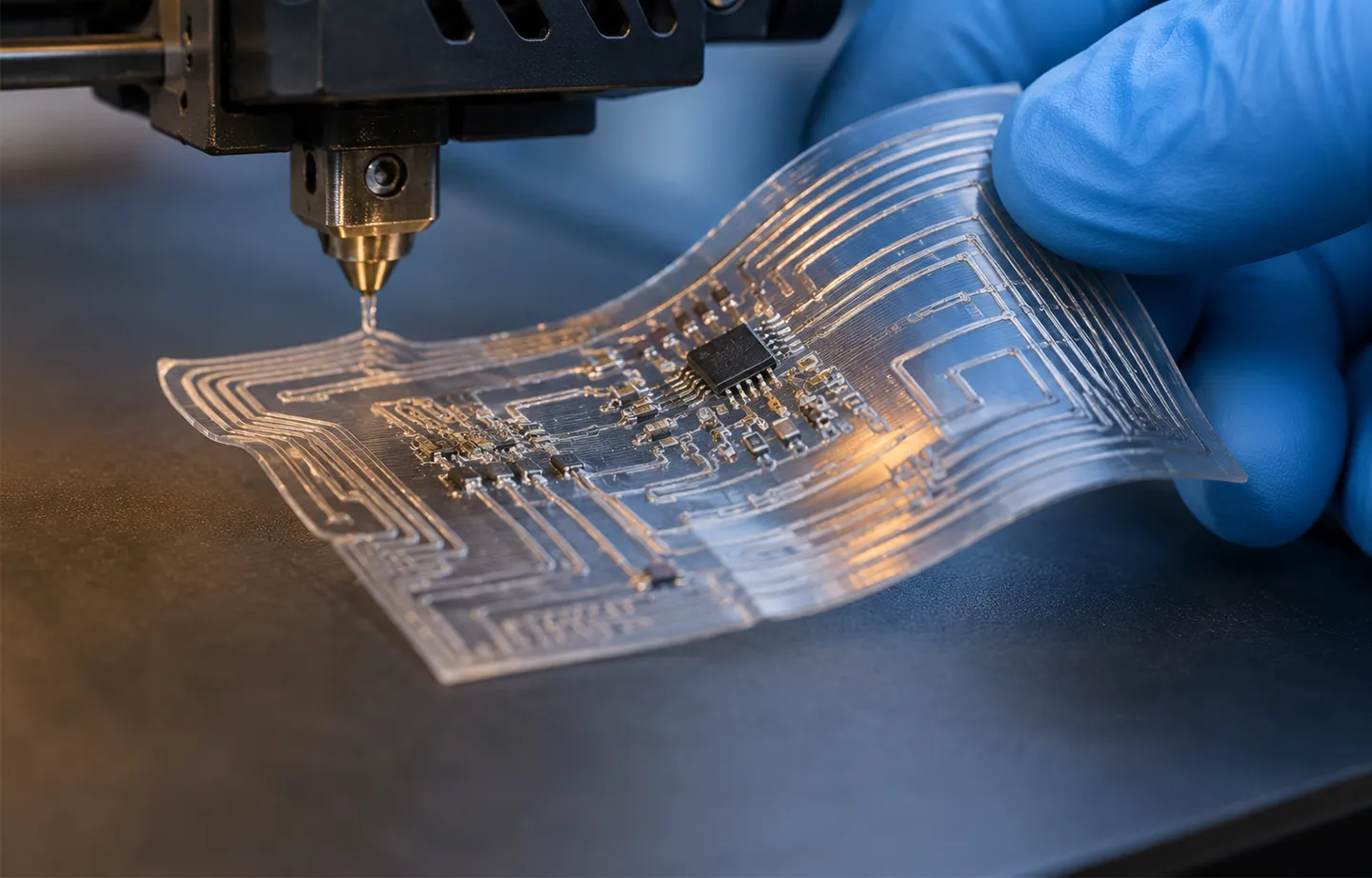
5. Flexible Circuits: Silicone 3D printing offers innovative solutions for the design and manufacture of flexible circuits, thanks to its customizable molding, high elasticity, insulation properties, and compatibility with conductive materials;
6. Smart Sensing: Utilizes the elasticity and deformability of silicone to 3D print elastic sensor substrates, embedding or co-printing conductive materials (such as carbon nanotubes or conductive silver paste) within the substrate to form "sensing units" (e.g., conductive pathways, electrode arrays).
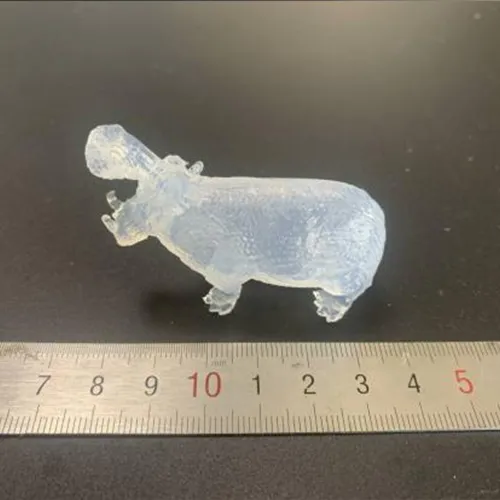
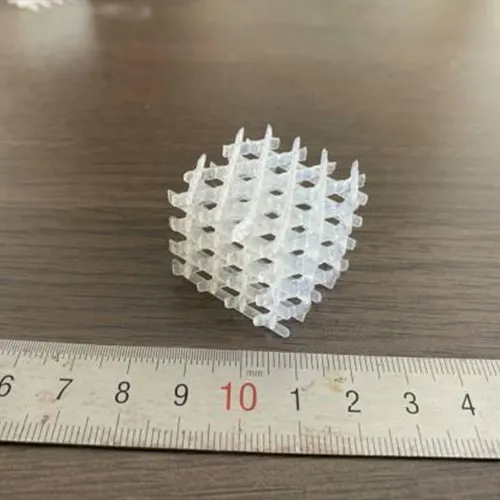
Widely applied in fields such as industrial products, mold making, shock absorption and cushioning, medical products, rehabilitation equipment, and consumer goods.

 Contact
 Quote
Quote  Account
  Cart
Cart 
 English