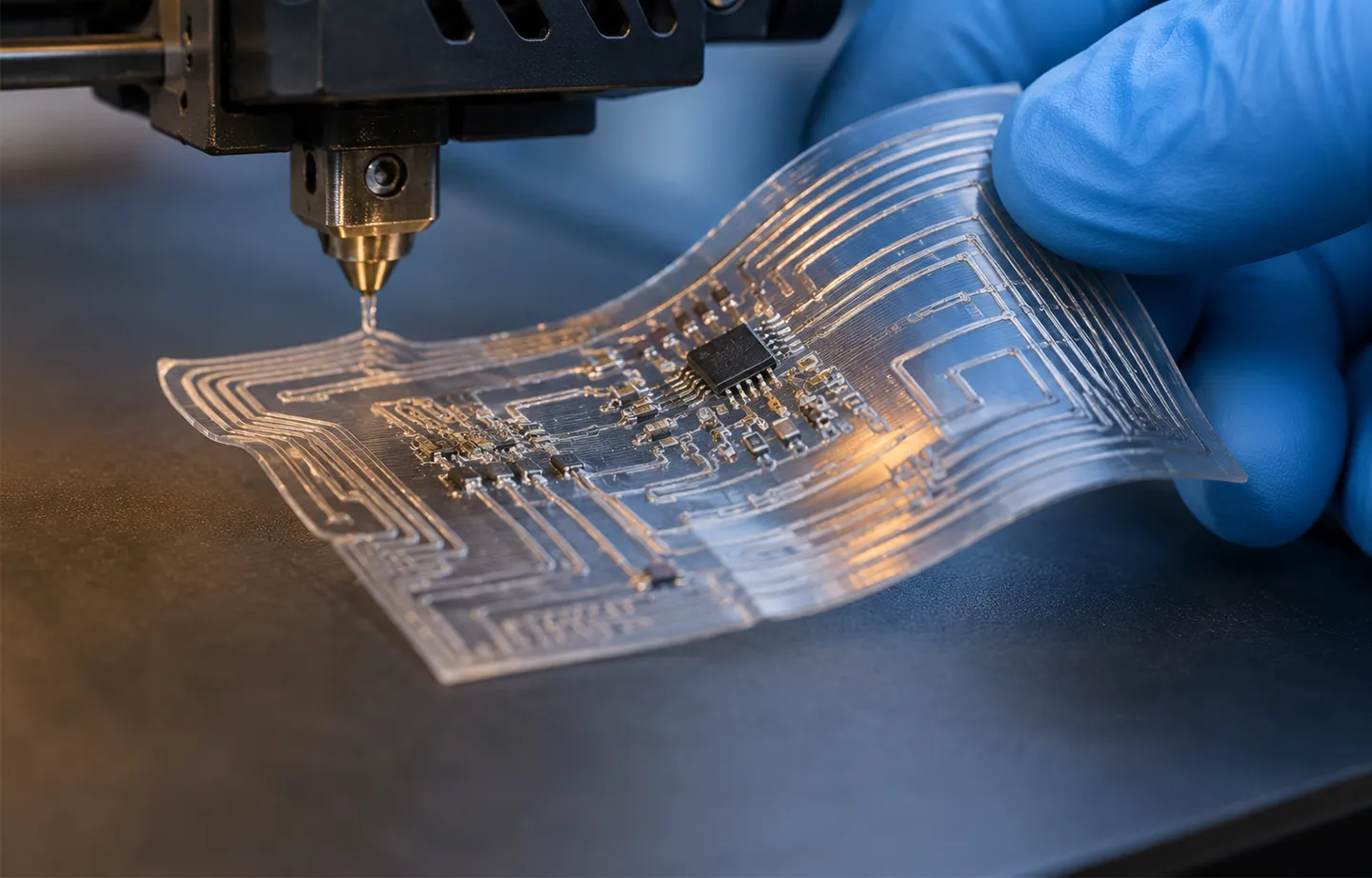

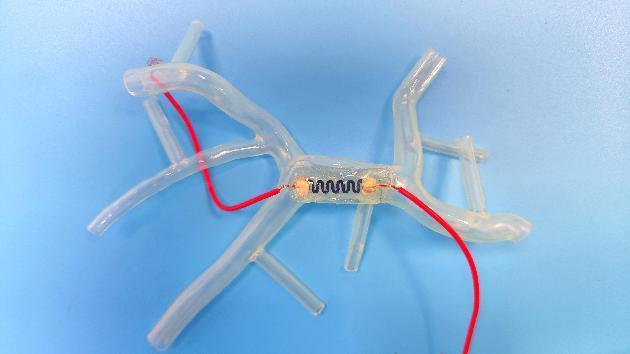
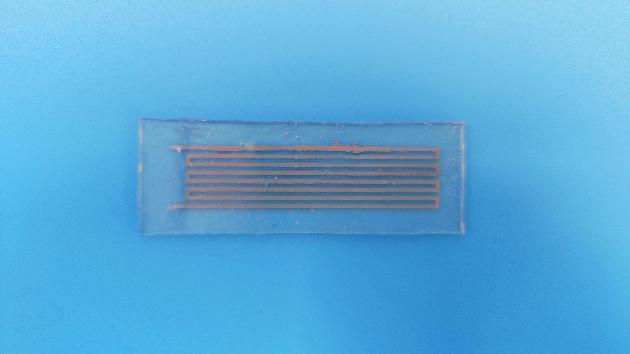
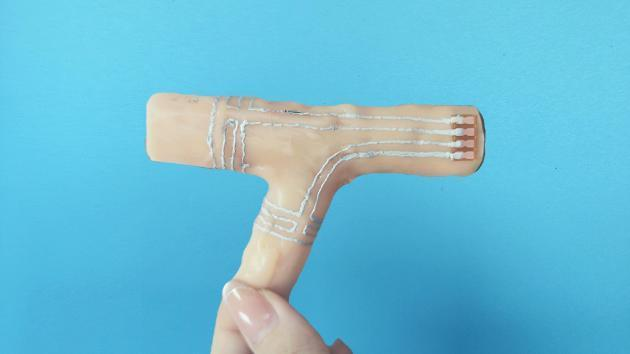
By integrating conductive polymers and nanomaterials—such as graphene and carbon nanotubes (CNTs)—with flexible circuitry and composite structural designs, our soft sensors deliver exceptional sensitivity and low power consumption. These sensors support multi-modal sensing capabilities, including pressure, strain, gas, and physiological signals. Their superior compliance and conformability allow them to adhere seamlessly to human skin, fabrics, or irregular surfaces, enabling high-precision, real-time monitoring of multi-dimensional data.
Compared to conventional rigid sensors, their lightweight and deformable nature provides a significant advantage in wearable electronics, soft robotics, and smart manufacturing. As a foundational technology for "Electronic Skin" (E-skin) and Human-Machine Interaction (HMI), soft sensors have become essential components for haptic feedback in robotics, clinical monitoring, and industrial digitalization. Their ability to provide high-accuracy feedback while adapting to complex environments makes them an indispensable core unit for the next generation of intelligent systems.

 Contact
 Quote
Quote  Account
  Cart
Cart 
 English