
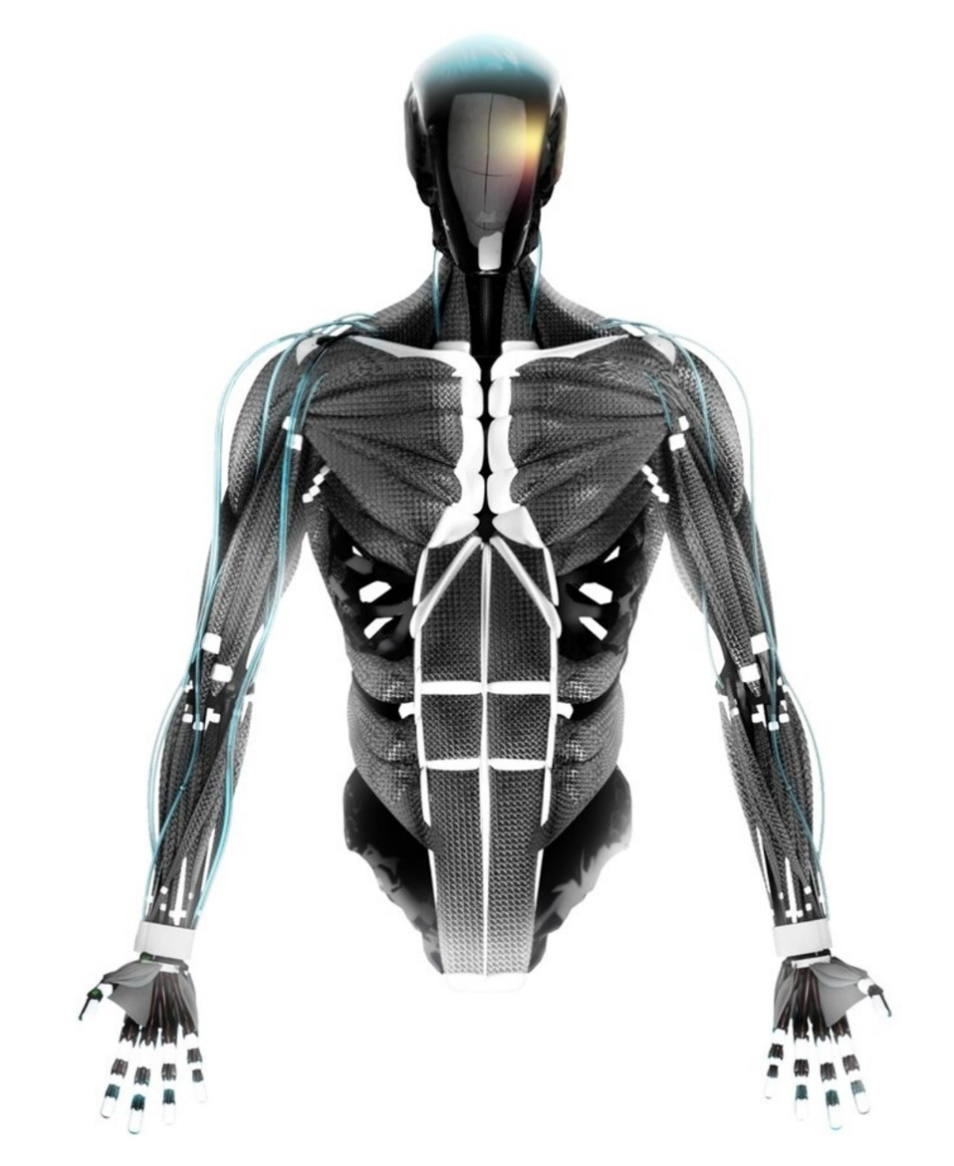
Biomimetic robots represent a new generation of intelligent systems that emulate the structural, locomotory, and sensory mechanisms found in nature to achieve superior adaptability and interaction. Unlike conventional rigid robotics, biomimetic systems leverage soft architectures and adaptive behaviors to ensure safer, more efficient, and more flexible operations.
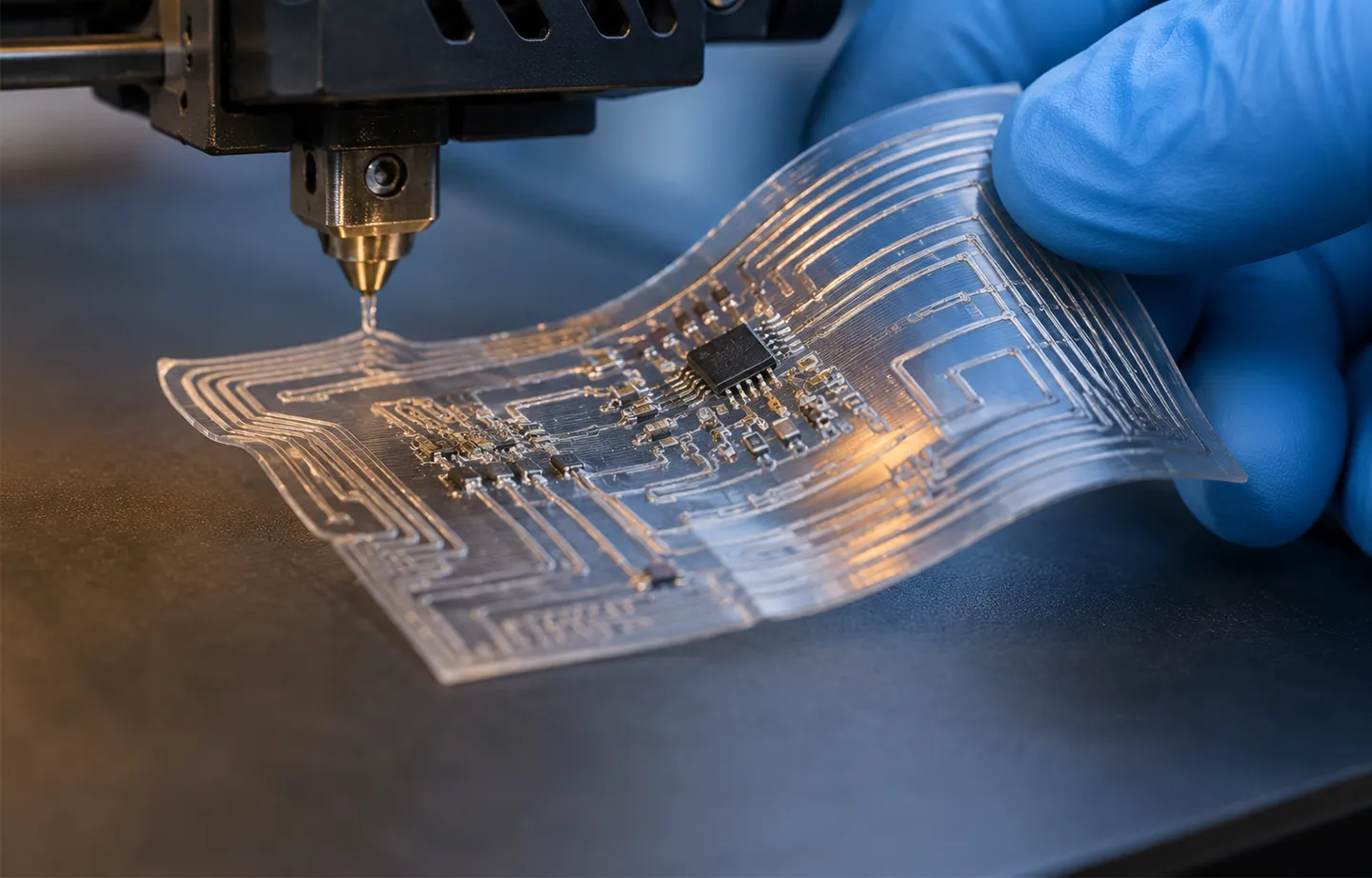
Powered by cutting-edge technologies such as soft-material 3D printing, artificial muscles, and flexible sensors, these robots enable continuous, multi-DOF (degrees of freedom) motion and stable maneuvers within complex environments. Their integrated "Perception-Decision-Execution" architecture allows the system to acquire real-time environmental data and perform dynamic adjustments, significantly enhancing operational performance in unstructured scenes.
Currently, biomimetic robots are widely deployed in smart manufacturing, food processing, medical assistance, service robotics, and marine exploration. Specifically, bio-inspired end-effectors, such as soft grippers, are becoming essential components in automation lines for handling fragile and irregular objects. Meanwhile, quadrupedal and humanoid biomimetic robots are demonstrating immense potential in inspection, security, and human-robot interaction (HRI) scenarios.

 Contact
 Quote
Quote  Account
  Cart
Cart 
 English