
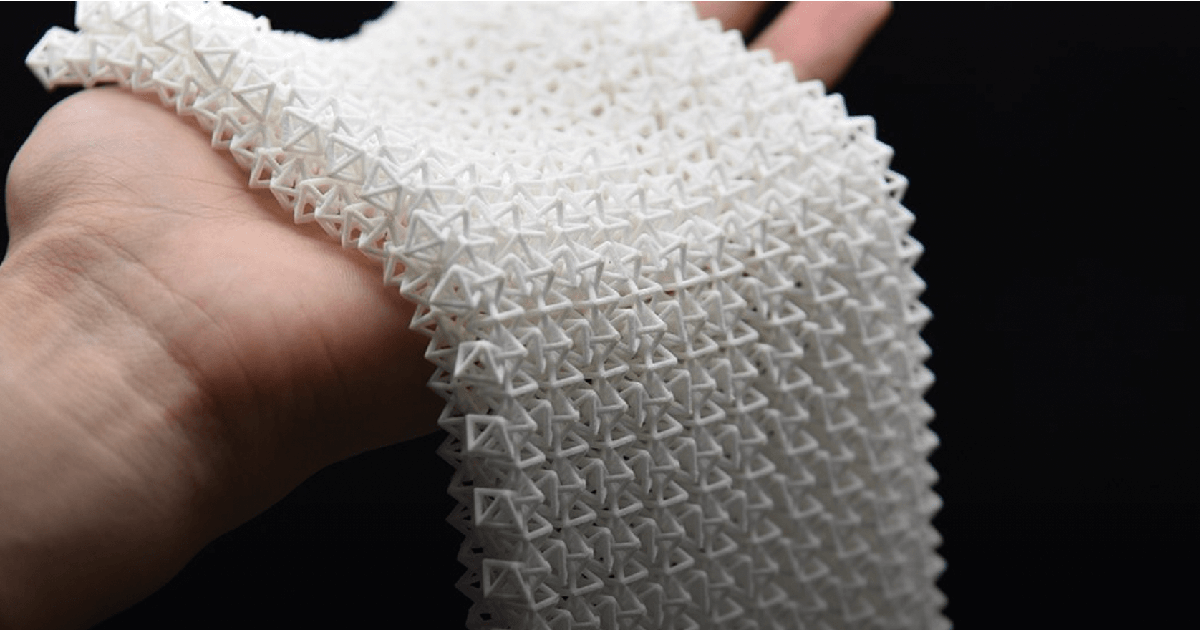
The application prospects of soft robots in the field of medical surgery simulation are very broad, mainly due to the flexibility of their materials and designs. The development of soft robots has been inspired by soft-bodied creatures in nature, such as octopuses, worms, and starfish. These creatures’ soft structures can effectively adapt to complex and changeable environments. Soft robots typically use moldable materials such as fluids, gels, and shape-memory polymers, which exhibit similar elasticity and deformability to soft-bodied creatures, enabling them to withstand large strains and allowing for substantial stretching and contraction in various environments. The use of such materials endows soft robots with high adaptability and flexibility in fields like medical surgery simulation.
In terms of specific applications, soft robots have been used in surgical simulation and assistance. For example, Auris Health designed a soft robot for bronchoscopic surgery that can access all parts of the lungs, providing access to small peripheral lung nodules that are difficult to reach, which helps improve early diagnosis and treatment of lung cancer. Each component of the bronchoscope can be articulated, extended, retracted, and locked into position independently, allowing doctors to control and operate more effectively, thus detecting small nodules deep in the lungs. Additionally, the tip of the bronchoscope is integrated with a camera, flushing, and suction devices, allowing doctors to directly observe the biopsy area, aiding precise diagnosis and successful surgery.
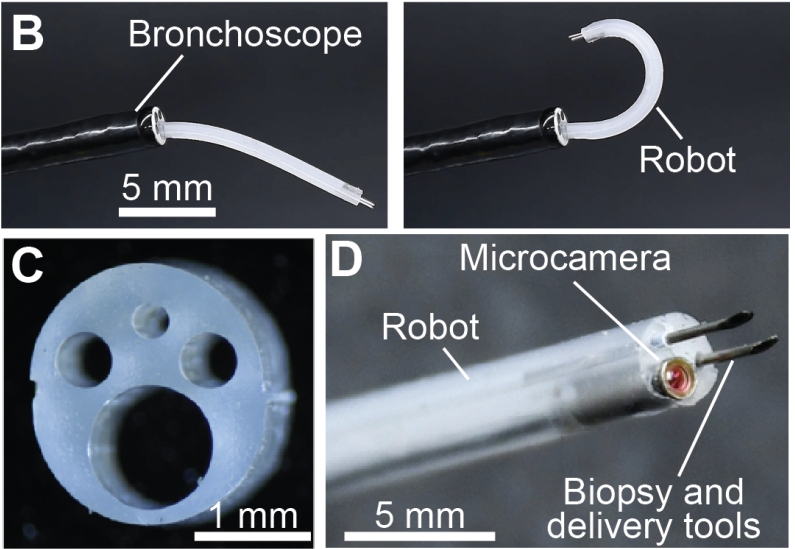
Furthermore, the applications of soft robots in the medical field also include cardiac devices, surgical robots, and soft rehabilitation and assistive devices. These devices not only accelerate the development of minimally invasive surgery but also improve the biocompatibility of rehabilitation and assistive equipment. In medical applications, the use of soft robot devices not only reduces the invasiveness of surgery but also enhances the precision and safety of surgical procedures.

In summary, the application prospects of soft robots in the field of medical surgery simulation are very promising. They can provide more flexible, precise, and safe surgical solutions, particularly in minimally invasive and complex surgical procedures. With the advancement of materials science, control technology, and robotics, the application of soft robots in the medical field will become more widespread and in-depth.


 Contact
 Quote
Quote  Account
  Cart
Cart 
 English