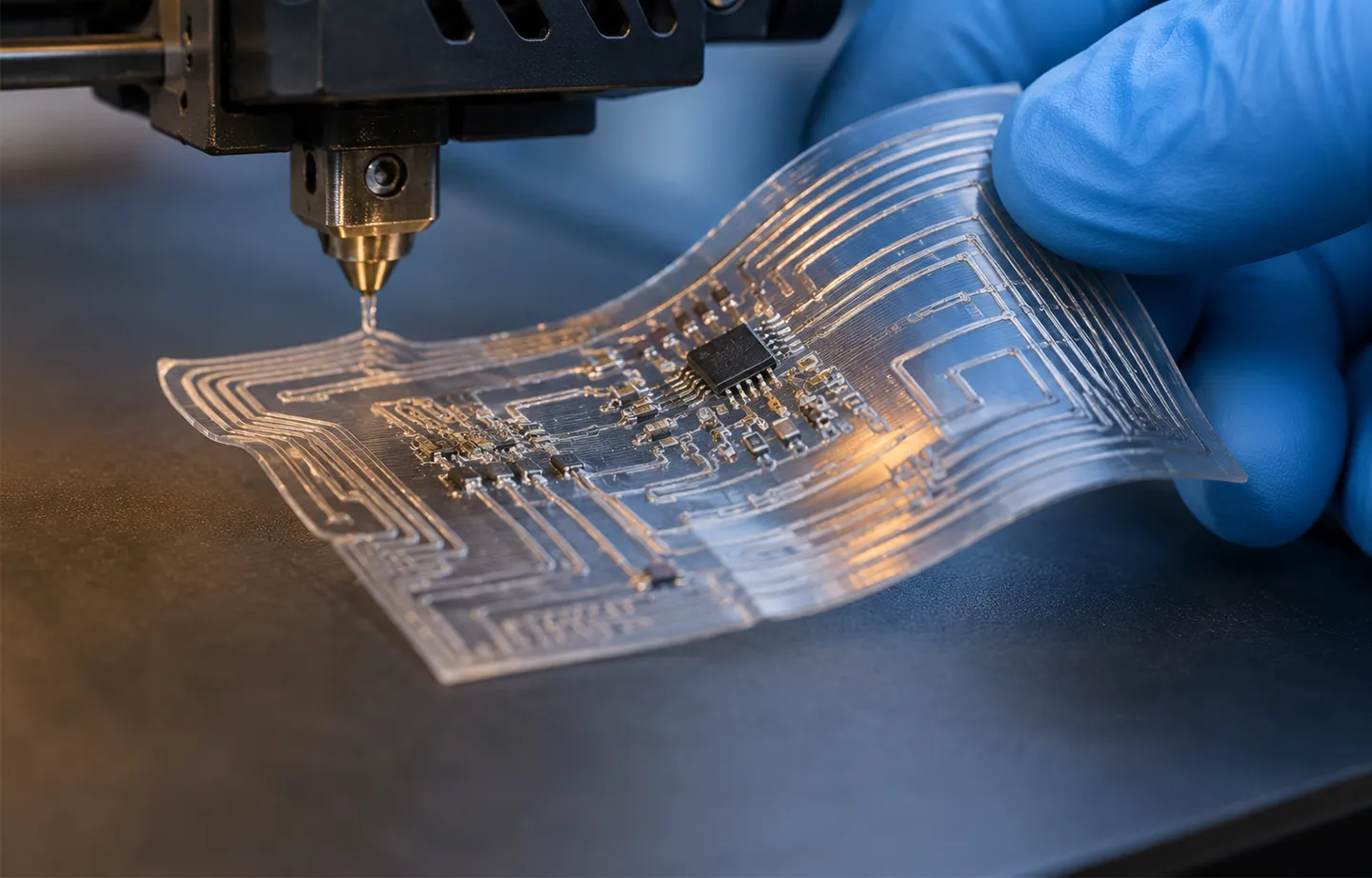

Artificial muscles are a novel class of soft actuation technology designed to replicate the contraction and extension behaviors of biological muscles. By efficiently converting electrical, pneumatic, or other energy sources into mechanical motion, they serve as the primary power source for next-generation bio-inspired robots and intelligent systems. Leveraging soft material 3D printing and optimized structural architectures, artificial muscles achieve rapid response times and precision control while supporting coordinated multi-DOF (degrees of freedom) actuation.
Through the integration of flexible sensing and intelligent control, artificial muscles are evolving from standalone actuators into unified "perception-actuation-control" systems, endowing robots with lifelike mobility and superior environmental adaptability. Compared to conventional rigid drives, artificial muscles offer the significant advantages of inherent compliance and a high power-to-weight ratio, enabling continuous, fluid motion in complex environments. This soft-structure paradigm ensures safety and reliability during human-robot collaboration or when handling fragile targets, making it a foundational technology for the advancement of flexible automation.

 Contact
 Quote
Quote  Account
  Cart
Cart 
 English