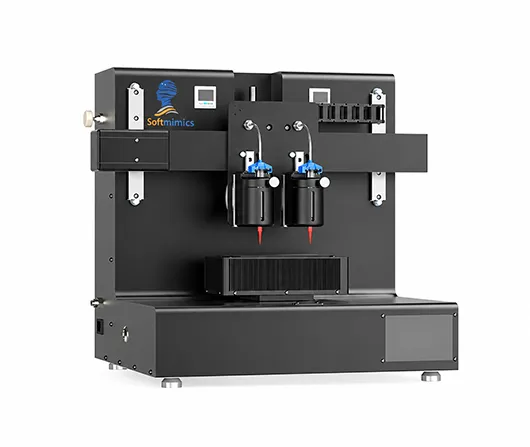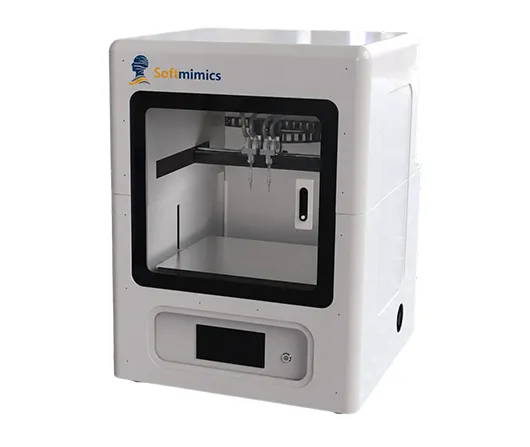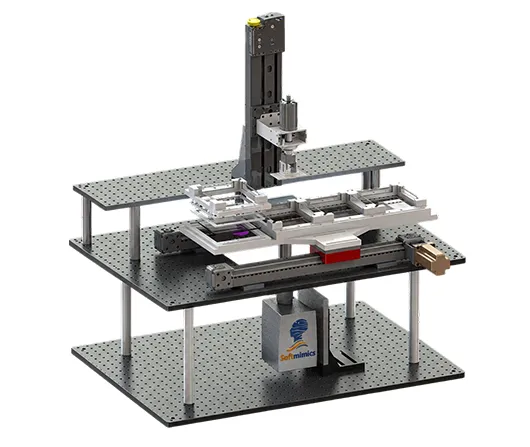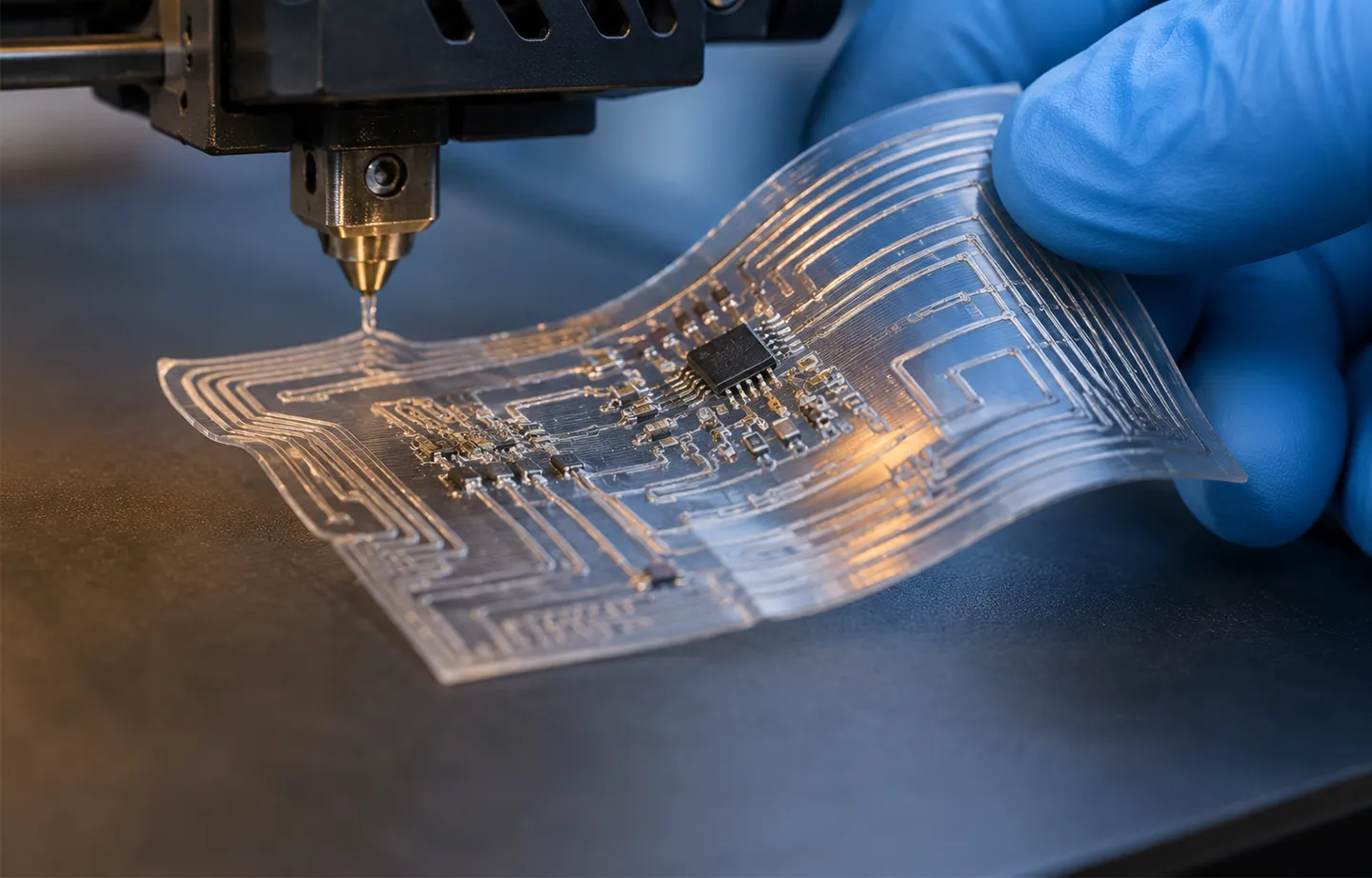
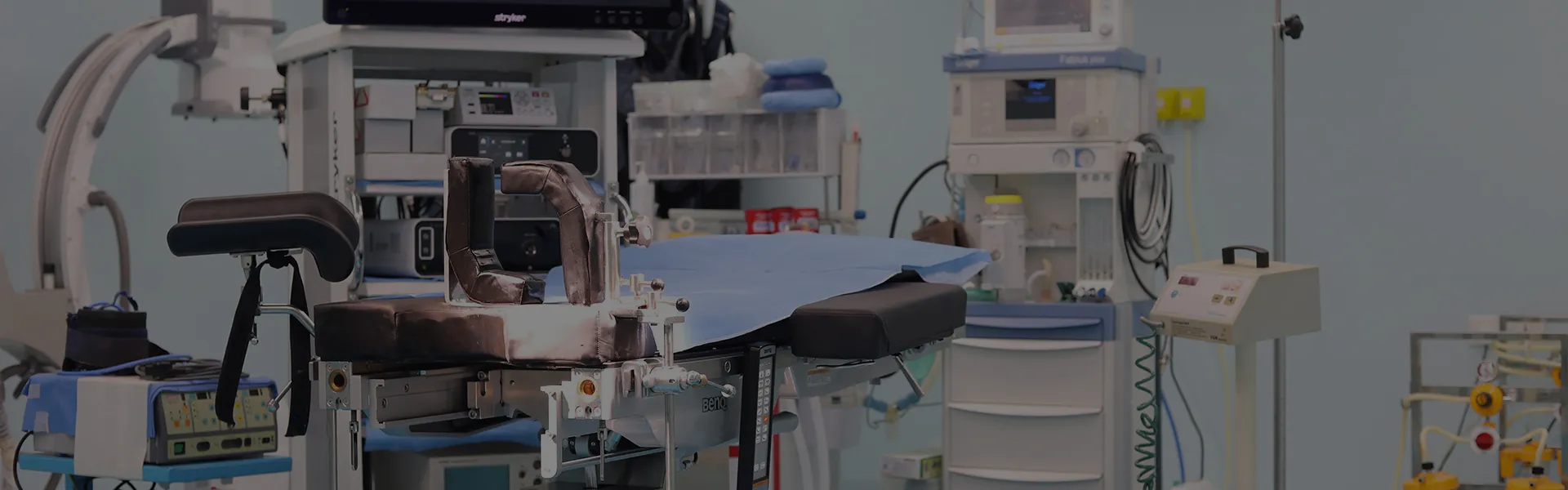

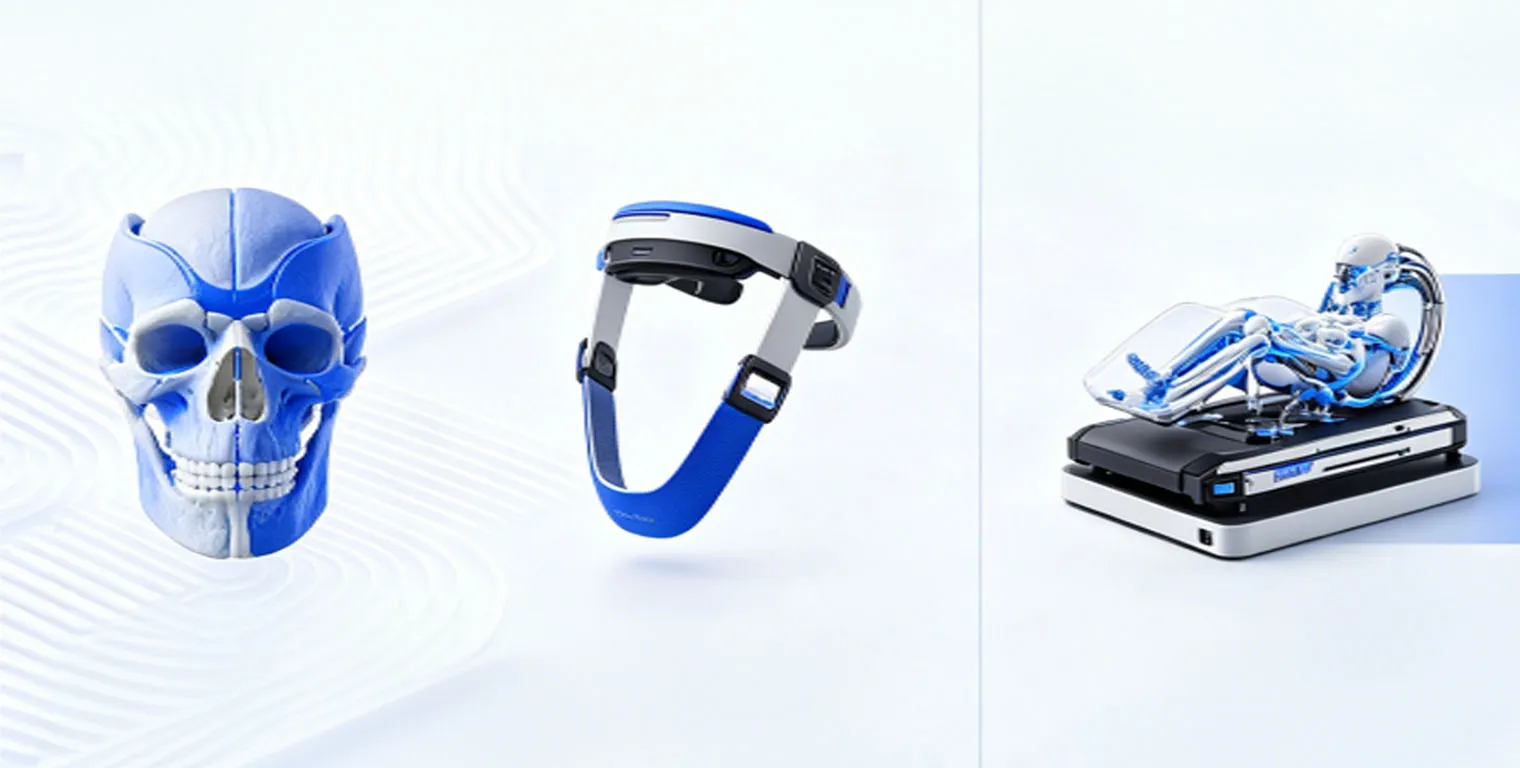
Silicone 3D printing technology enables exceptional levels of biological fidelity, ultimate personalization, and unparalleled freedom in the fabrication of complex structures. Its applications in healthcare and medicine include imaging phantoms and educational simulators, highly realistic anatomical models for surgical rehearsal, and customized rehabilitation aids and wearable devices.
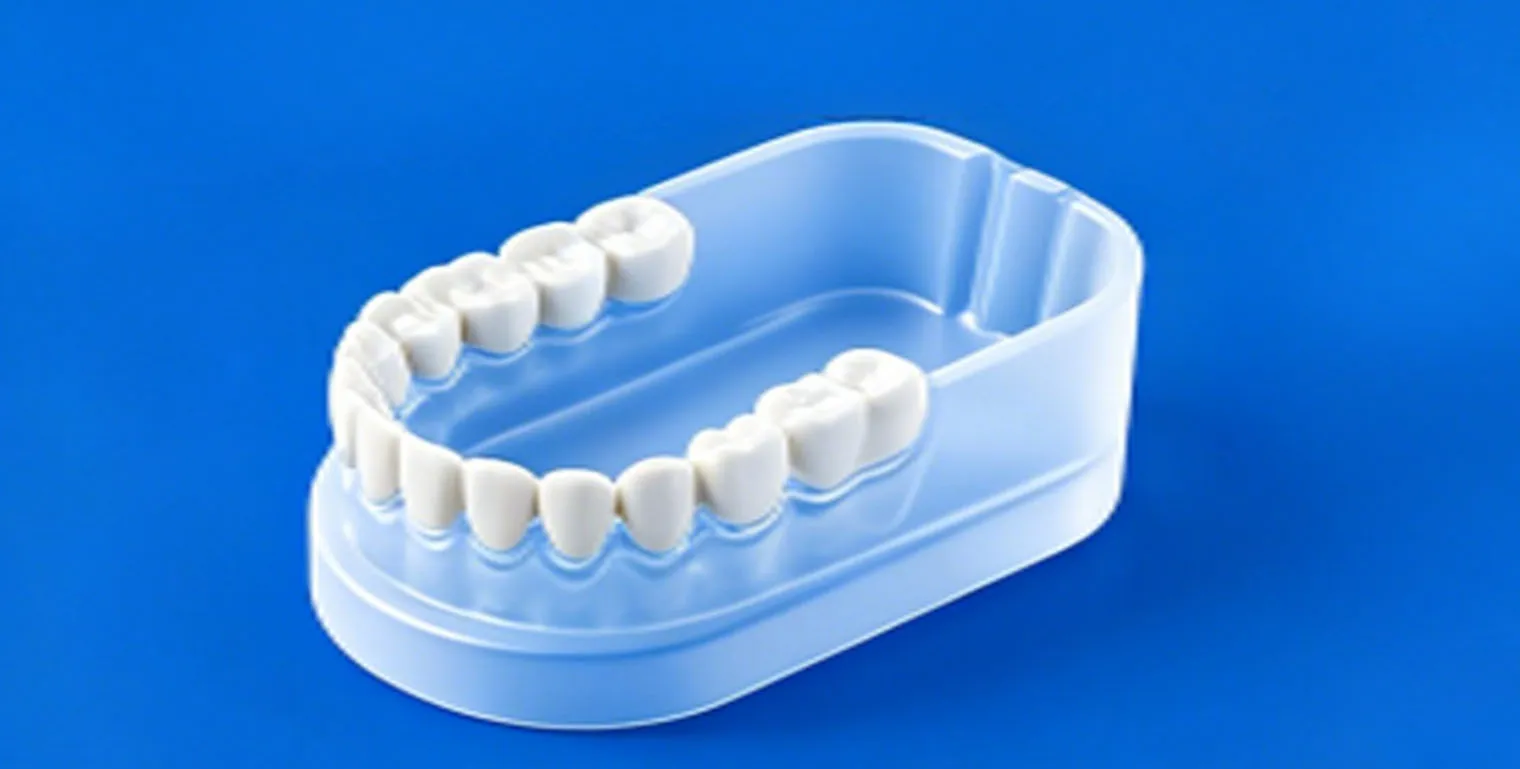
3D printing offers solutions to issues regarding "soft tissue" and "comfort" within the field of dentistry. The application of silicone 3D printing in dentistry aims to replace traditional molding processes—such as silicone rubber impressions—and to optimize all components that come into contact with the body's soft tissues.
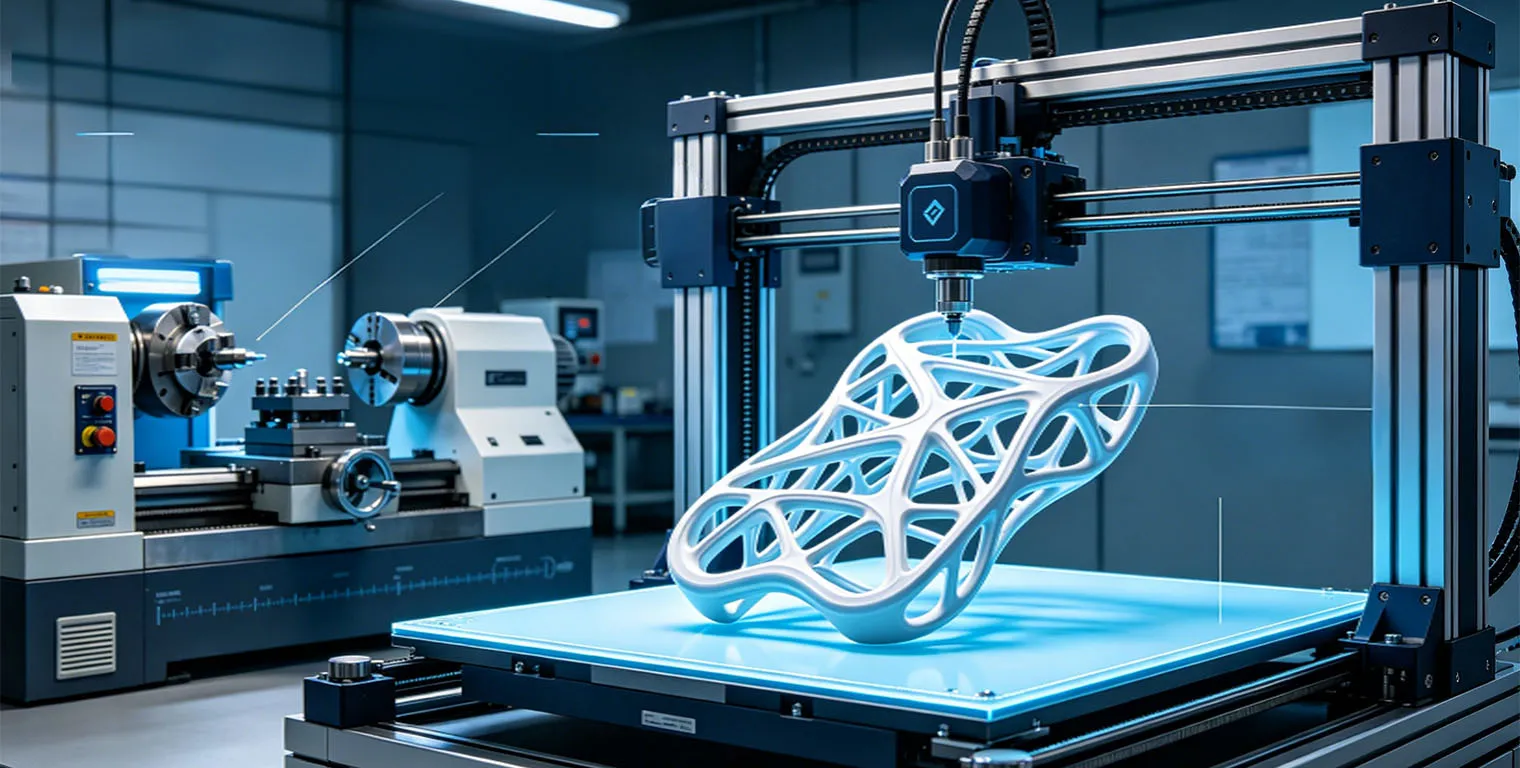
3D printing primarily aims to address the limitations of traditional manufacturing processes regarding cost, complexity, and speed. This technology enables the rapid production of elastic components with complex geometric structures.
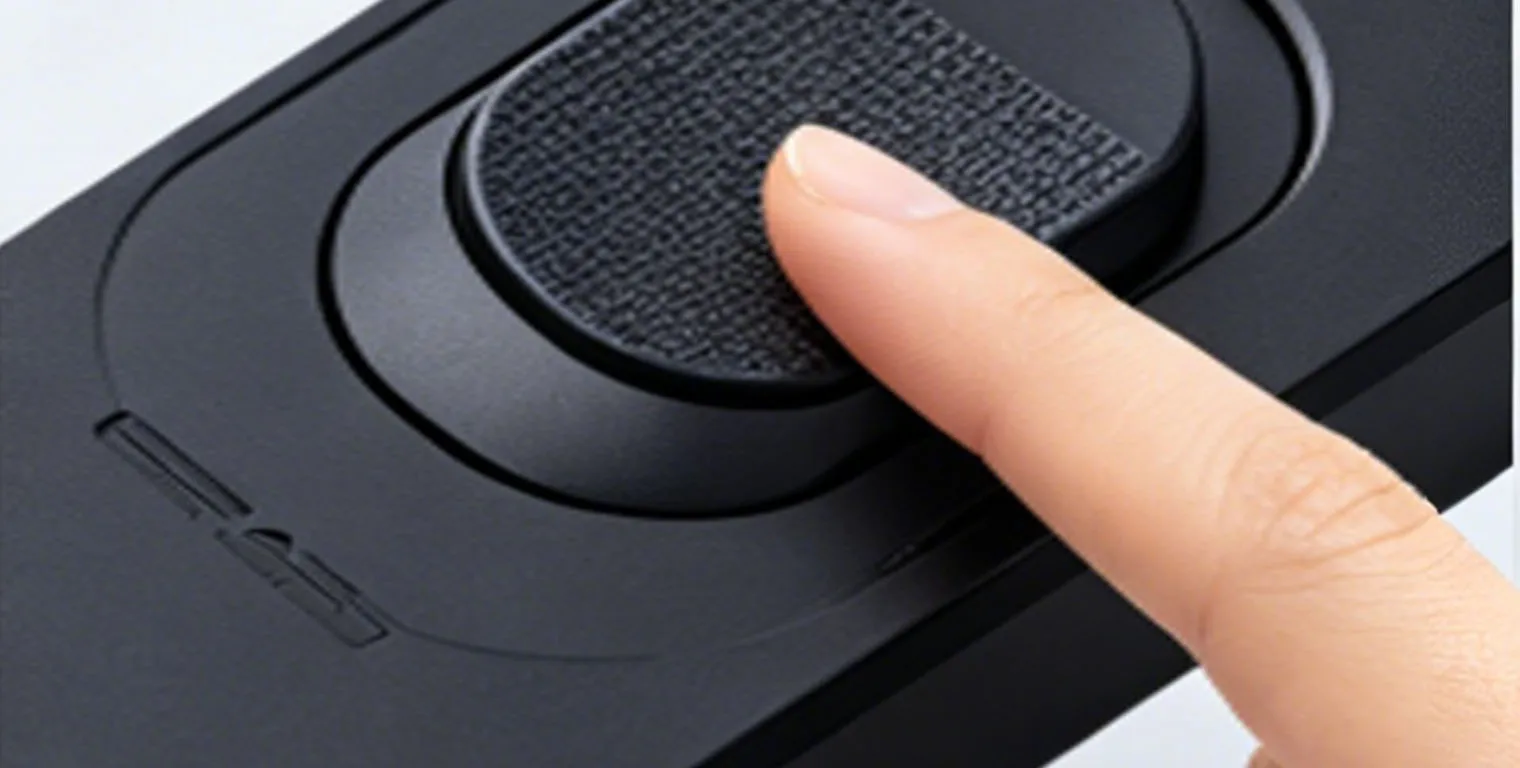
In the electronics sector, the importance of elastomer 3D printing—particularly involving silicone and TPU—is becoming increasingly evident. By leveraging 3D printing, complex sealing and insulation designs can be realized within confined spaces. Furthermore, through the precise control of Shore hardness, it delivers optimal button tactile feedback and a skin-friendly feel for consumer electronics.
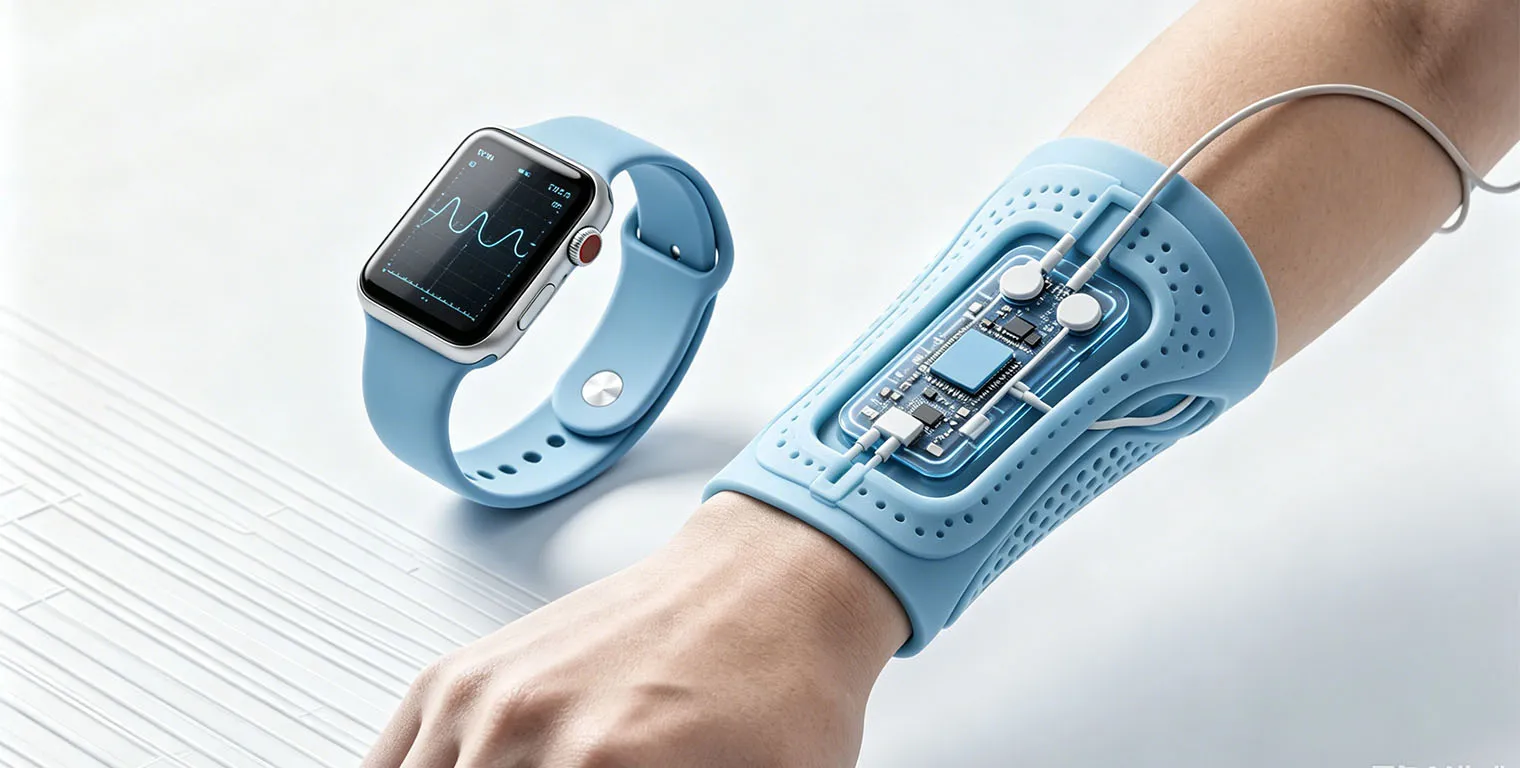
3D printing can be utilized to manufacture smartwatch bands and medical monitoring patches. Its exceptional tensile properties ensure that internal sensors and wires remain undamaged as the device flexes in response to human movement. In the wearable technology market, the 3D printing of elastomers serves not merely as a manufacturing tool, but also as a means to enhance the user experience.

 Contact
 Quote
Quote  Account
  Cart
Cart 
 English