
Soft materials indeed play a crucial role across various industries, offering a wide range of capabilities due to their flexibility and deformability. They've revolutionized fields like medicine, electronics, and beyond. Each type you mentioned brings its own set of advantages and applications. For instance, hydrogels mimic biological tissues, making them ideal for medical applications like drug delivery and tissue engineering. Shape memory polymers offer versatility in designing devices that can adapt to changing conditions, such as medical implants or soft robotics. Conductive polymers enable the development of flexible electronic devices like sensors, while biodegradable materials address concerns about environmental impact, especially in medical contexts.
Polymers and Elastomers: Polymers are the most common type of soft materials, including plastics, rubbers, and elastomers. These materials are widely used in medical devices, soft robots, and wearable devices due to their good biocompatibility, flexibility, and processability.

Hydrogels: Hydrogels are polymer networks containing a large amount of water, capable of simulating the mechanical and biological properties of biological tissues. They have a wide range of applications in drug delivery, bioprinting, and tissue engineering.
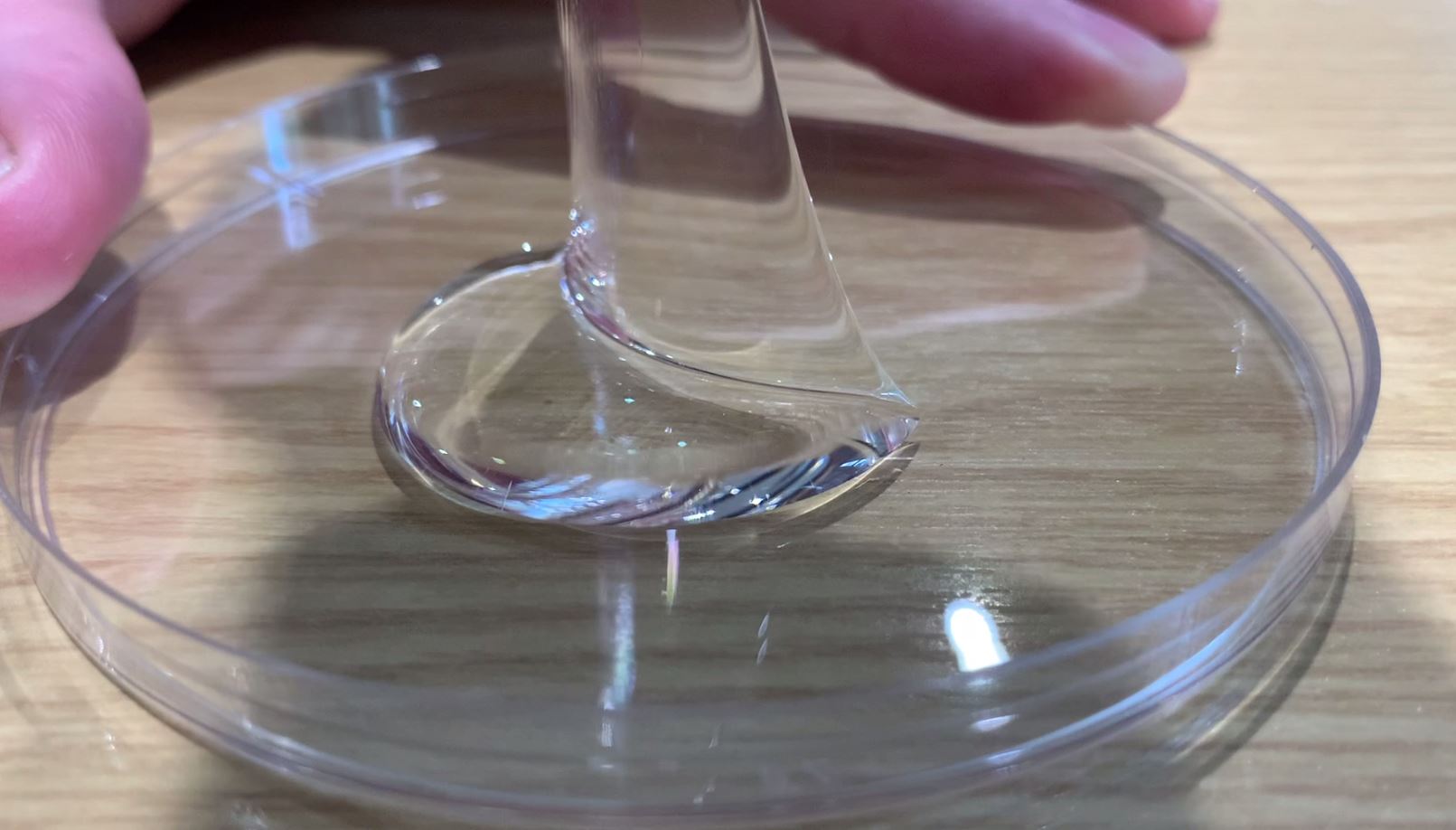
Shape Memory Polymers: These materials can change shape and return to their original shape under external stimuli such as temperature, pH, light, or magnetic fields. They have potential applications in medical implants and soft robots.
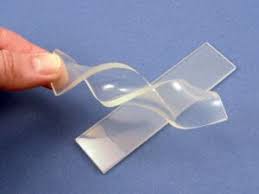
Biodegradable Materials: These materials can degrade in the environment or within the body, reducing environmental pollution. They are particularly useful in medical implants and drug delivery systems.
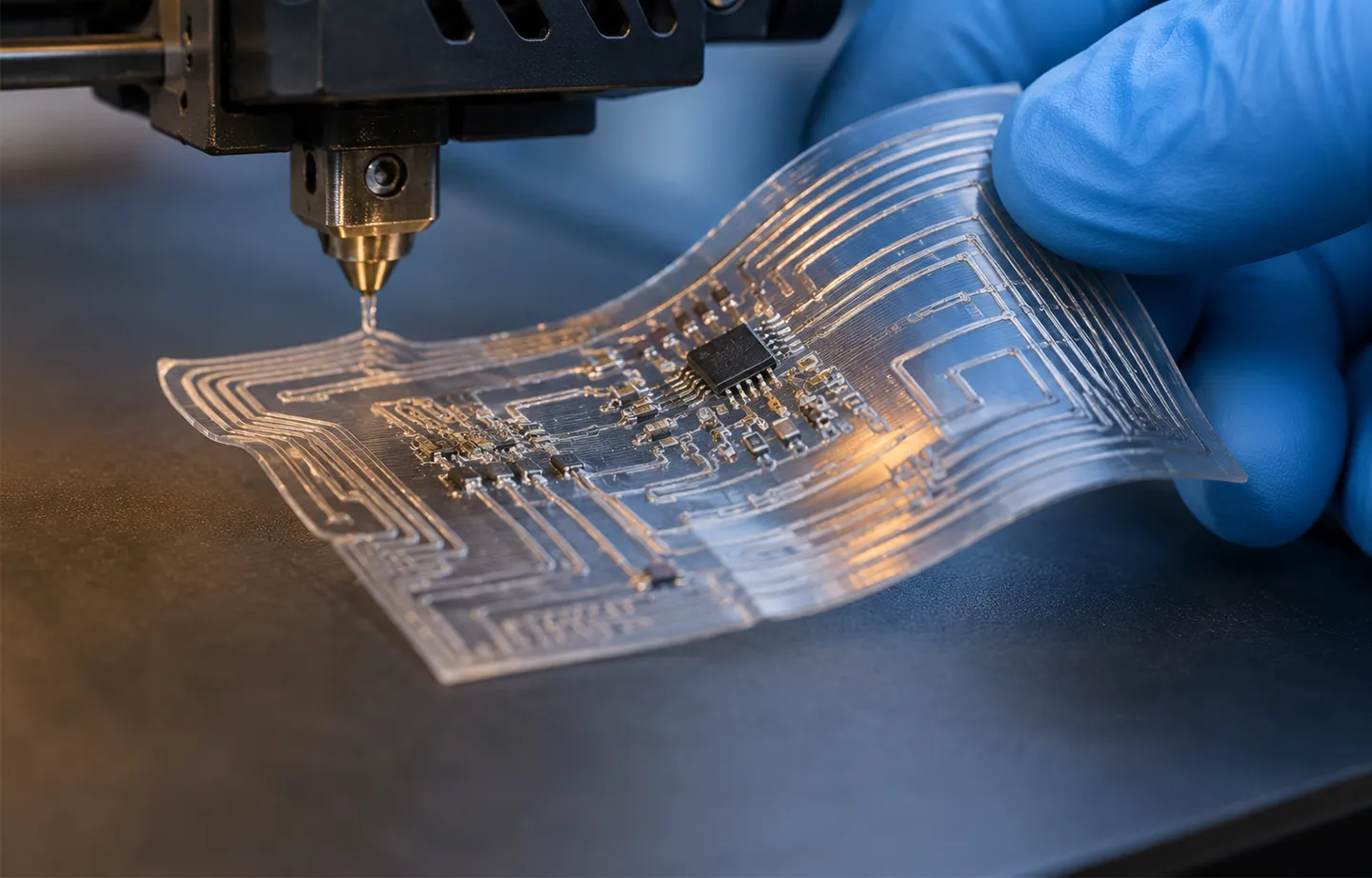
Conductive Polymers: These polymers have conductivity and can be used in flexible electronic devices such as sensors and electrodes.Ionic Polymers: These materials have ionic conductivity under moist conditions and can be used in soft robots and smart sensors.
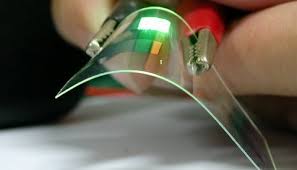
The continuous innovation in soft materials not only expands the possibilities for existing applications but also opens doors to entirely new fields and solutions. As researchers delve deeper into understanding the properties and behaviors of these materials, we can expect even more groundbreaking advancements in the future.


 Contact
 Quote
Quote  Account
  Cart
Cart 
 English