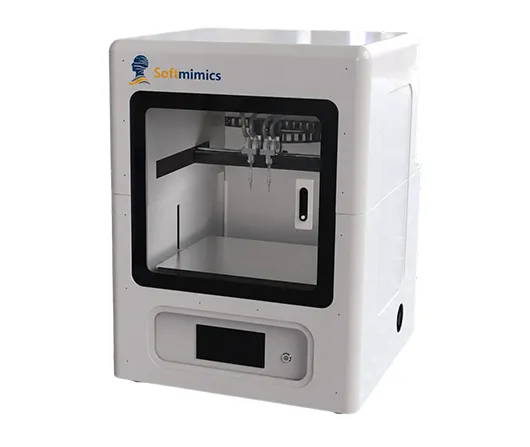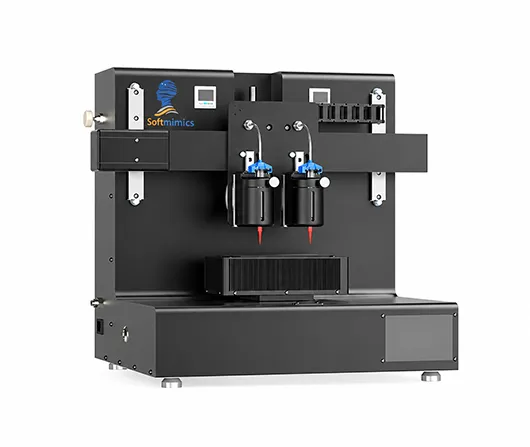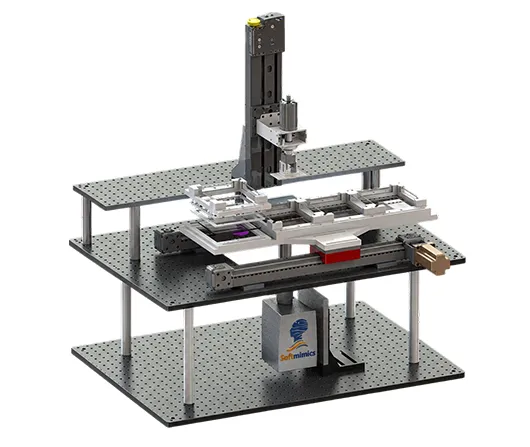

The integration of 3D printing technology and soft materials in vascular intervention medicine indeed presents promising opportunities for advancing treatment efficacy and patient outcomes. Let's delve deeper into each of these key applications and directions:
3D Printing of Cardiovascular Devices: The versatility of 3D printing allows for the creation of patient-specific models, facilitating pre-procedural planning and enhancing procedural accuracy. Moreover, the incorporation of cells, cytokines, and biomaterials into 3D printed constructs holds immense potential for cardiovascular regenerative medicine. As materials and printing techniques continue to advance, bridging the gap between lab research and clinical application becomes increasingly feasible, paving the way for more tailored and effective treatments.
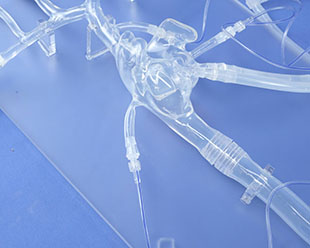
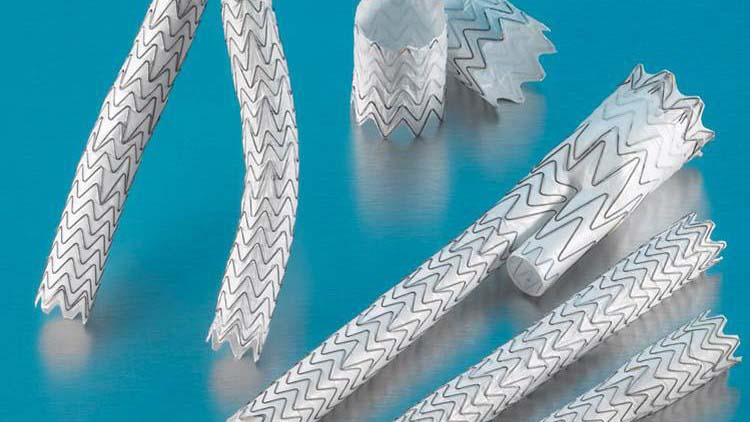
Stent Technology: The customization enabled by 3D printing revolutionizes stent design, ensuring better adaptation to complex anatomies and individual patient needs. Enhanced biocompatibility and mechanical properties reduce the risk of complications such as in-stent restenosis, leading to improved long-term outcomes for patients. Clinical studies further validate the efficacy and safety of 3D printed stents, driving innovation in this critical aspect of vascular intervention.
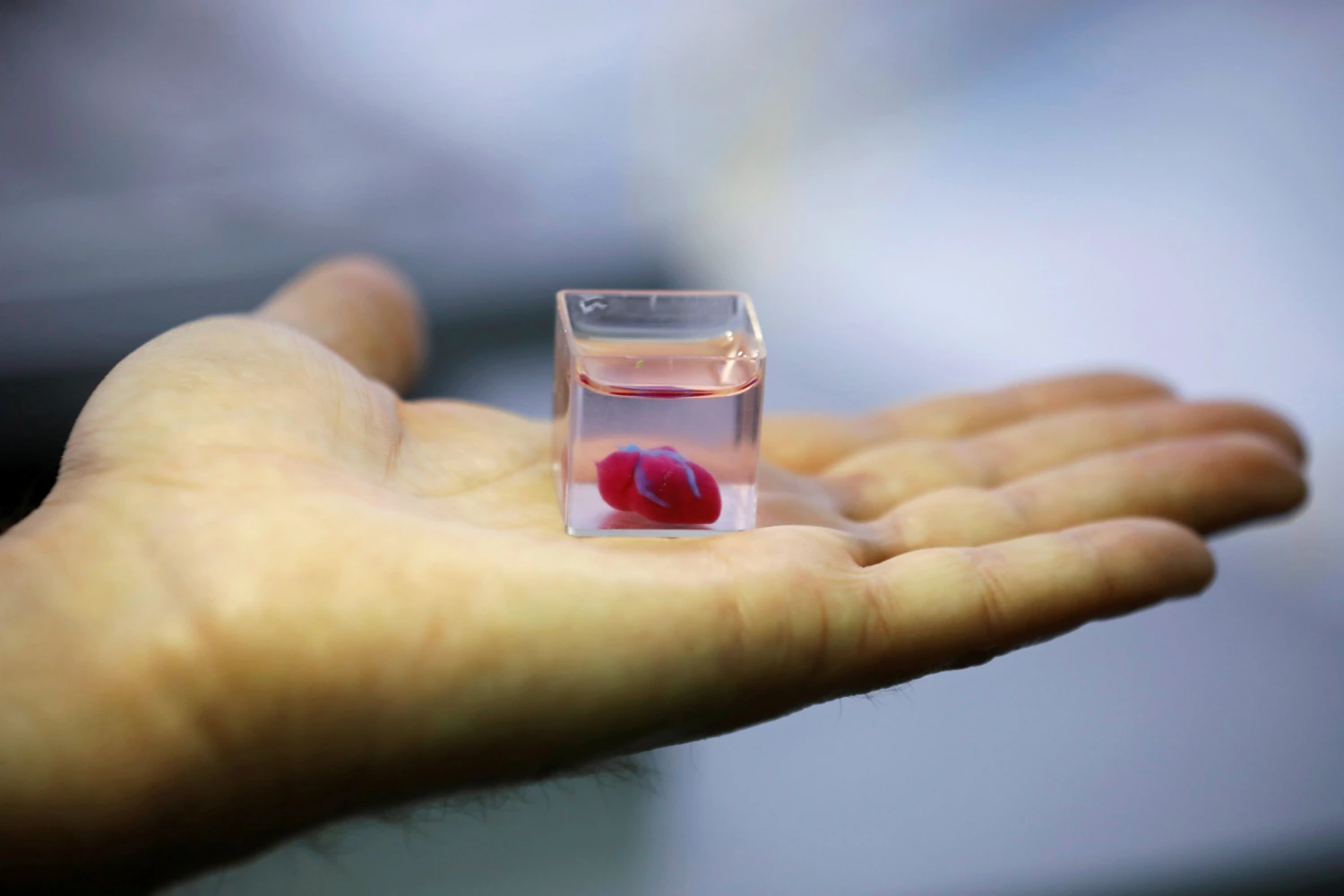
Construction of Vascularized Organs: Building functional bioartificial organs necessitates the establishment of intricate vascular networks to support tissue viability and function. 3D printing offers a promising approach to fabricate vascularized tissues and organs, overcoming previous challenges in achieving adequate perfusion. Recent progress in printing vascularized structures for organs like the liver, heart, bone, and pancreas highlights the potential to address organ shortage and enhance transplantation success rates. Continued research efforts aim to refine printing techniques and biomaterial formulations, paving the way for the widespread adoption of bioartificial organs in clinical practice.
These advancements underscore the transformative potential of 3D printing technology and soft materials in vascular intervention medicine. By enabling personalized treatment approaches, improving device performance, and advancing regenerative medicine, this interdisciplinary synergy holds great promise for addressing unmet clinical needs and enhancing patient care. As material science, control technology, and robotics continue to evolve, the future of 3D printing in healthcare looks increasingly bright, with further innovations poised to shape the landscape of vascular interventions.


 Contact
 Quote
Quote  Account
  Cart
Cart 
 English